Protect Your Home this Summer with a Termite Pest Inspection
Summer is here in Australia, and with it comes warmer weather and an increase in termite activity. Termites may seem harmless, but they can wreak havoc on your home and cause significant damage if left unchecked. That's why it's crucial to get a termite pest inspection before summer hits full swing. An annual timber pest inspection is essential in keeping your home safe from these destructive insects.
In this blog post, we'll discuss the importance of regular inspections, the signs of termite infestation, and the available treatment options to protect your home. Don't let termites take over this summer - let's dive into the world of timber pest inspections and ensure your home stays protected.

Why Warming Weather in Australia Spells Trouble for Your House
As the temperature rises and the summer months approach in Australia, it's not just the beach and barbecues that you need to worry about. The warmer weather also brings about a surge in termite activity, and that spells trouble for your house.
Termites are small, but their impact on your home can be enormous. These tiny pests feed on wood and can cause significant damage to the structural integrity of your home. And with the increase in termite activity during the summer months, it's crucial to take action to protect your home.
That's where a termite pest inspection comes in. By scheduling an annual termite inspection, you can stay one step ahead of these destructive pests. A licensed inspector will thoroughly assess your property for any signs of termite activity, allowing you to take preventative measures before it's too late.

Termites: A Small Pest with a Big Impact
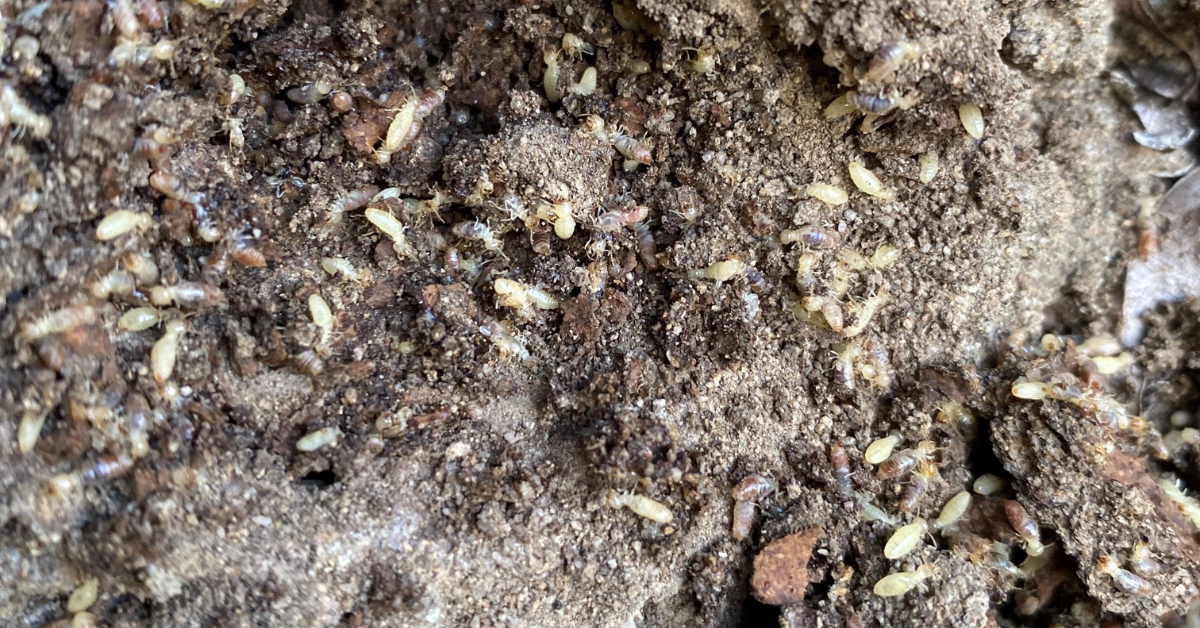
Termites feed on wood, and their insatiable appetite can quickly turn your dream home into a nightmare. They burrow deep within the wooden structures of your house, slowly devouring it from the inside out. By the time you notice visible signs of damage, such as sagging floors or hollow-sounding wood, the termites have likely been feasting for a while.
The impact of termites extends beyond just structural damage. These pests can also compromise the safety and comfort of your home. As they chew through walls, floors, and ceilings, they create entry points for other pests, such as ants and rodents. Additionally, termite infestations can cause allergies and respiratory problems for you and your family.
The small size of termites paired with their average colony population is what makes them so insidious. They can go undetected for long periods, allowing their destructive activities to continue unnoticed. In addition, each colony can have hundreds of thousands of termites. This is why regular termite inspections are crucial. They enable early detection and prompt treatment, minimizing the potential damage and saving you from exorbitant repair costs.
The Importance of Annual Termite Pest Inspections
Regular termite pest inspections are of utmost importance for Australian homeowners in ensuring the safety and integrity of their homes. These inspections act as a proactive measure to detect and address any termite infestations early on, preventing extensive damage and costly repairs.
It's worth mentioning that termite damage generally isn't covered by house insurance. By scheduling annual termite inspections, you can stay one step ahead of these destructive pests and take appropriate preventative measures.
Licensed termite inspectors thoroughly assess your property, identifying any signs of termite activity and recommending suitable treatment options.
With early detection and prompt treatment, you can minimize the potential damage caused by termites and protect your home. Don't underestimate the impact of termites - prioritize annual termite pest inspections to safeguard your investment.
What is a Termite Pest Inspection?
A termite pest inspection is a comprehensive visual examination of your property looking for any evidence of termite activity or termite damage. The inspection is completed by a trained professional who specializes in identifying termite activity.
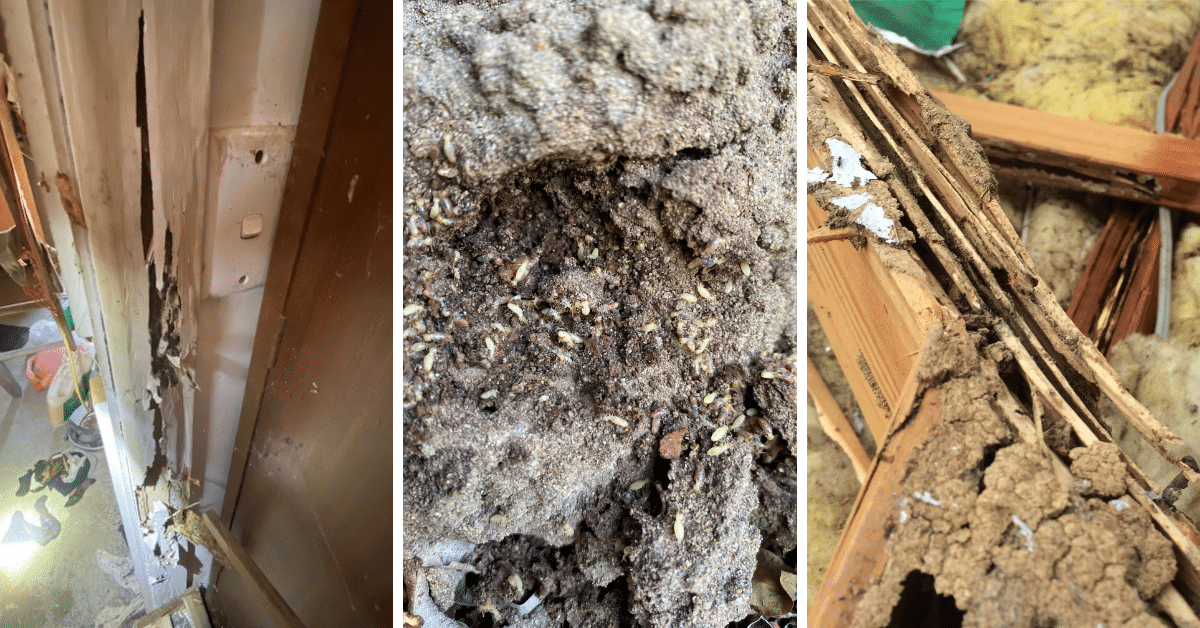
During a termite pest inspection, the inspector will carefully inspect both the interior and exterior of your home. They will look for signs of termite presence, such as mud tubes, damaged wood, or discarded wings. The surrounding areas within 30 meters of the house will also be examined for potential entry points or conditions that may attract termites.
The inspector will use specialized tools and equipment to help them identify areas of moisture, active termite nests and conducive conditions. At Local Inspections, our inspectors only use the best technology available including a thermal imaging camera, moisture meter and sounding tool.
Once the inspection is complete, the inspector will provide you with a detailed report that outlines their findings and recommendations. This report will give you a clear understanding of any evidence of termite activity and the steps that need to be taken to protect your home.

Signs That You Might Have a Termite Problem
No one wants to discover that they have a termite problem in their home, but the reality is that termites can be sneaky and difficult to detect. It's important to know the signs that might indicate a termite infestation so that you can take action as soon as possible.
One of the most obvious signs of a termite problem is the presence of mud tubes. These tubes are tunnels made by termites to protect themselves as they travel between their nest and a food source. If you notice these tubes along your walls, foundation, or other wooden structures in your home, it's a clear indication that termites are present.
Another sign to look out for is damaged wood. Termites feed on wood from the inside out, so if you tap on a wooden surface and it sounds hollow or if you notice sagging or buckling floors, it could be a sign of termite damage.
You should also keep an eye out for discarded wings. Termites shed their wings once they have found a suitable location for a new colony. Finding these discarded wings near windows, doors, or other entry points could indicate the presence of termites in your home.
Lastly, keep an eye on your windows and doors. Termites can squeeze through tiny cracks and openings, so if you notice any gaps or difficulty opening or closing your windows and doors, it could be a sign of termite activity.
If you notice any of these signs in your home, it's crucial to take immediate action.

Treatment Options if Termites are Found
Discovering a termite infestation in your home can be disheartening, but don't panic! There are several effective treatment options available to help you eliminate these pesky pests and protect your home from further damage.
1. Spot Treatment
When live termites are found, it's important to treat the termites as soon as possible to eliminate the colony. Generally, this involves spraying the termites with a slow-acting chemical that they take back to the nest to destroy the colony.
2. Termite Barrier
Once the termites are eliminated, great preventative termite treatment is the application of a termite barrier. This involves the use of liquid termiticides which are applied directly to the soil around your home, creating a barrier that termites cannot penetrate. The termiticide is slowly spread throughout the colony as the termites pass through it, effectively eliminating the entire population.
3. Termite Baiting
Another popular treatment method is termite baiting. This involves strategically placing bait stations around your property that contain a substance that is toxic to termites. The bait stations are monitored regularly, and once termites are detected, the toxic substance is introduced, leading to the eradication of the colony.
It's important to note that the most effective treatment option for your specific situation will depend on factors such as the extent of the infestation, the type of termites present, and the construction of your home. That's why it's crucial to consult with a professional termite company to assess your situation and recommend the best course of action.

Reducing the Risk of Termites in Your Home
Whether termites have or haven't been found in your home, it is always wise to do what you can to reduce the risk of termite infestation. Thankfully, there are a few things you can do to prevent termites which include:
- Minimize moisture around the home by repairing any leaking pipes, keeping gutters clear and fixing poor drainage
- Ensure air conditioners and down pipes are properly diverted
- Reduce wood-to-ground contact around the foundation of your home such as timber batting, framing or posts
- Ensure the property’s termite management system is up to date
- Remove any wooden debris or dead tree stumps in your yard
- Keep garden beds and mulch away from the home
- Cut back any overhanging branches or plants that overhang the roof
Taking action on the things above will help to reduce the risk of termites in your home. However, there is nothing you can do (and no product currently available) that makes your home 100% termite-proof. That's why it is absolutely essential to get annual timber pest inspections to ensure that any infestation is detected early.

Book your Termite Pest Inspection today!
Don't wait until it's too late! Make it a priority to schedule an annual termite inspection today and stay one step ahead of these pesky pests.
At Local Inspections, our inspectors are our best asset. All our pest inspectors are highly trained and experienced at finding evidence of termite activity and termite damage. Each inspector is licensed and highly experienced.
We guarantee an independent inspection, great customer service, fast turnaround time with reports and competitive pricing.
If you would like to book an inspection or have questions, reach out to us by hitting the buttons below!