Termite Inspection
Keep your home safe from termites with a temite inspection! Termites are highly distructive creatures that can cause significant damage when left undetected.
A thorough termite inspection will check your home for any signs of termite activity, damage or other wood-destroying pests. In this blog, we will take you through everything you need to know about getting a termite inspection.
What is a termite inspection?
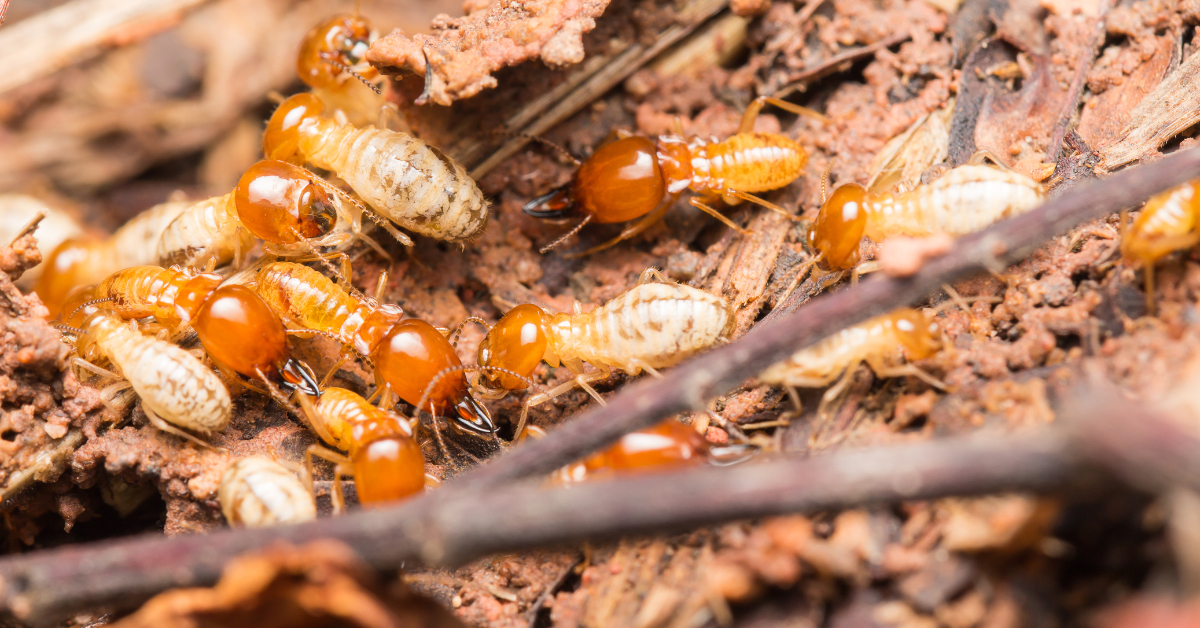
Within the building and pest industry, a termite inspection is called a timber pest inspection. This is due to the fact that the inspection doesn't only check for termites but also for timber borers. It is a visual inspection of a property looking for any evidence of live termites, termite damage, and timber borers.
The pest inspector will also look any conducive conditions to a future infestation. Termites are tricky creatures that love certain conditions like warm, damp spaces. By identifying conditions in your home that are attracting termites, you can take preventative measures to protect your home.
In addition, the inspector will also assess the home's current termite management system. Under Australian Standards, all homes must have a termite management system to help protect the home. These can include things like a chemical termite barrier and annual timber pest inspections.

What's checked during a timber pest inspection?
The inspector will check all accessible areas within 30 meters of the home. This includes the interior, exterior, garden, subfloor, garage, roof void and carport.
During the inspection, the pest inspector is looking for signs of termite activity and damage. Such as bubbling paint, hollow timber and termite mud tubes.
In addtion, the inspector will utlise special equipment to help detect problems that may not be visible to the human eye. This equipment includes a thermal imaging camera, moisture meter and sounding tool.
The thermal imaging camera helps detect abnormal heat patterns in your home which may indicate high termite activity. Whereas, the moisture meter helps to identify areas of high moisture in places where this should not be the case. As termites often enter the home through moist soil and love to eat damp timber, it's important to identify these areas.
Lastly, the sounding tool helps our inspectors find hollow sounds in timber skirting boards and door/window frames. Termites tunnel into timber and chew it from the inside out leaving it hollow. When a sounding tool taps on a piece of timber that sounds hollow, it is a sign of termite activity.

What happens if termites are found?
If the inspector finds termites or other wood-destroying pests, they will provide recommendations for treatment. These treatment options and recommendations can include an invasive inspection, spot treatment or installation of a chemical termite barrier. However, the inspector will inform you as to which option is best for your situation and home.
Make sure you get regular termite inspections for your home
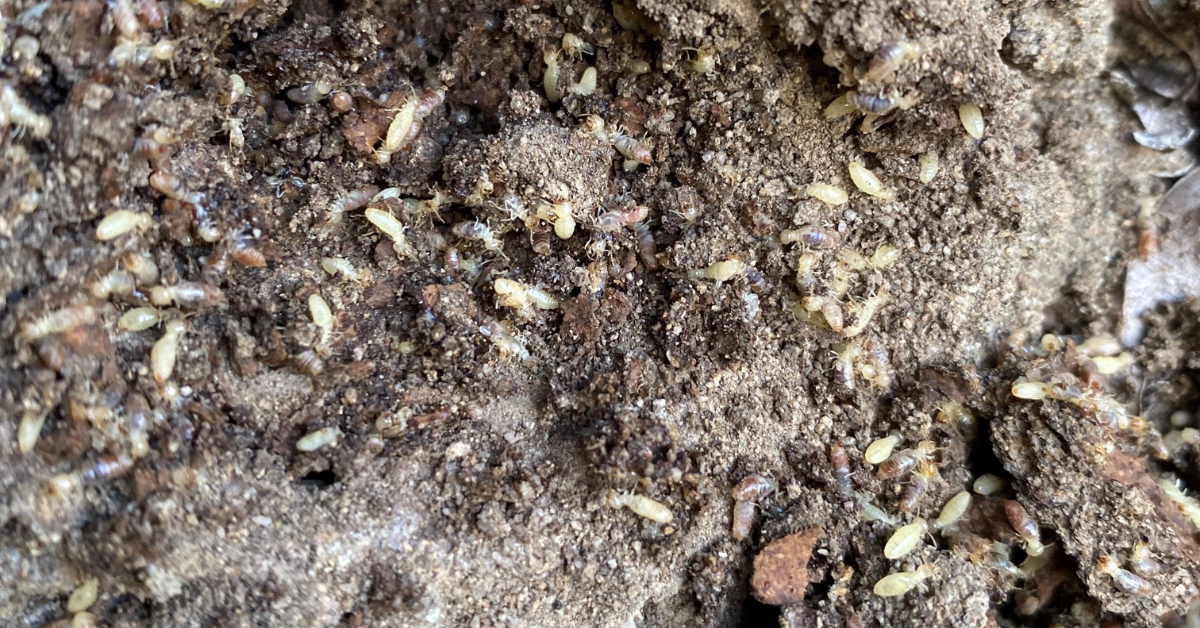
Don't let termites move into your home. Instead, get an annual timber pest inspection. Termites and other wood-boring insects can cause significant damage to a property if left unchecked. In many cases, this damage is not immediately visible as termites eat the timber from the inside out. Annual timber pest inspections are key to minimising the impact of termite damage through early detection and quick treatment.

Have peace of mind with a termite inspection from Local Inspections
All of our inspectors are fully licensed and experience at detecting termites within a property. With us, you can rest assured that you're getting a quality timber pest inspection.