Annual timber pest inspections
Have you booked your annual timber pest inspection? If not, now is the time! Timber pest inspections give you peace of mind that your home isn’t being quietly eaten away by termites.
Whilst termites play a critical role in our environment, they become real pests when they move into a house. When left undetected, termites can cause extensive damage to your home. Don’t risk it, get your home checked for termites.
Understanding termites
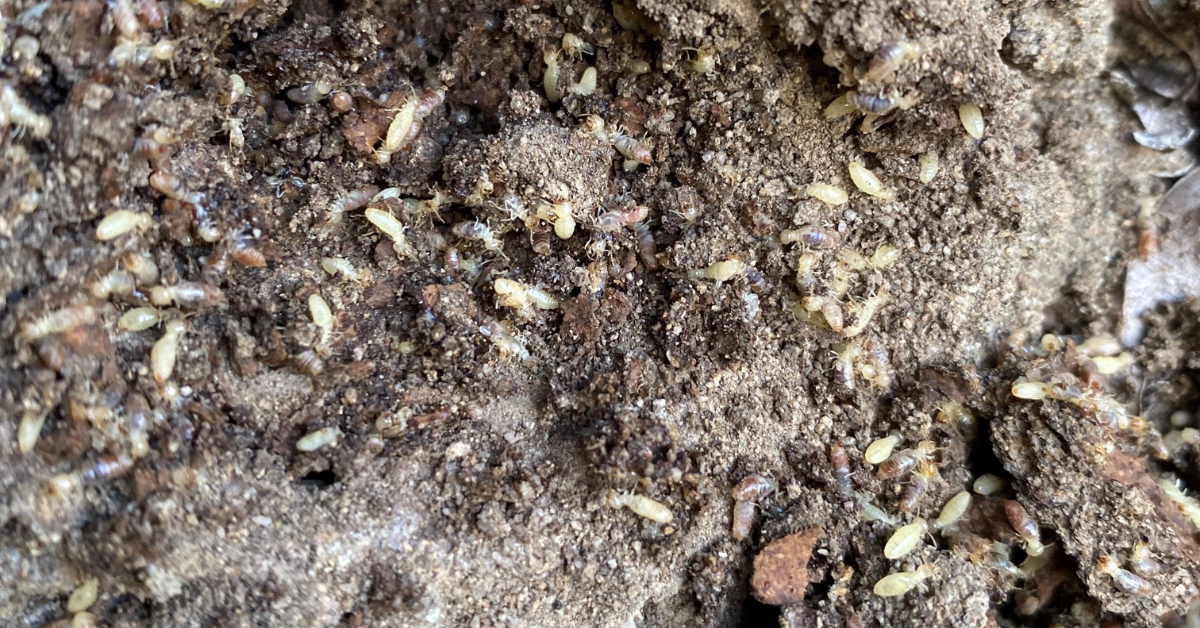
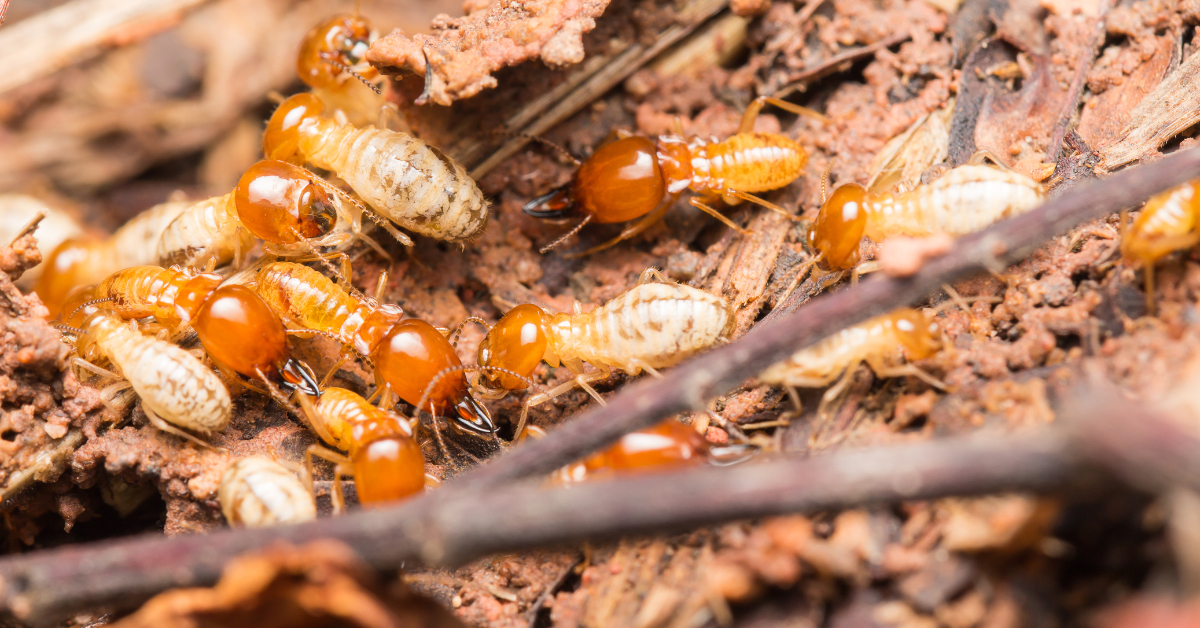
Termites play a vital role in the natural environment as decomposers. They break down dead plant material and recycle nutrients in ecosystems. Termites are highly effective in this role as each nest can have anywhere between thousands and millions of termites within the colony.
Termites become pests when they encounter the human world. As they can cause significant damage to wooden structures and other materials in a home. In fact, a recent study showed that termites cause more damage to Australian homes than floods, storms and fires combined!
Due to our natural environment, termites are highly active in Queensland. They love our humidity, alternating periods of dry weather and stormy downpours, as well as the high number of trees. They are also naturally quiet creatures who love dark, damp spaces. That’s why they can stay hidden within a house without the occupants knowing.
The importance of regular checks
It is important to have a timber pest inspection carried out regularly, as termites can cause significant damage to a property if left undetected. In many cases, this damage is not immediately visible as it is often hidden behind walls, tiles and other building materials as termites eat the timber from the inside out. It’s not unheard of for people to only become aware of the presence of termites when there are glaringly obvious signs (such as mudding up the inside wall) or they put a hand through the wall.
Making matters worse, termite damage is not typically covered by house insurance. This means that any damage caused by termites will be your responsibility to pay for and will need repairing by professionals. An annual timber pest inspection ensures any termite activity is detected early before significant or structural damage is caused.

What is an annual timber pest inspection?
An annual timber pest inspection is a visual inspection of a property looking for any evidence of live termites, termite damage, and timber borers. All accessible areas of the property and yard are checked that are within 30 meters of the house. This includes the roof void, subfloor, retaining walls, sheds and more.
During the inspection, the pest inspector is also looking for areas of high moisture and other conducive conditions to termite activity. The pest inspector also notes whether the home has a termite management system and whether it’s up to date.

Thermal imaging for termites and other tools used during the inspection
Special equipment is also used by the pest inspector during the timber pest inspection. This includes a thermal imaging camera, moisture meter and sounding tool.
The thermal imaging camera helps the inspector detect abnormal heat patterns in the home that may indicate termite activity. Such as a large hot spot behind a wall that could indicate a termite nest.
The moisture meter helps to identify areas of high moisture in places where this should not be the case. Termites often enter the home through moist soil and love to eat damp timber so it's important to identify these areas.
A sounding tool is also used to help our inspectors find hollow sounds in timber architraves and door/window frames. As this is indicative of termite damage.

Treatment options if termites are found
If termites or other wood-destroying insects are found, the inspector will provide recommendations for treatment options to eliminate the infestation and prevent future infestations. These treatment options and recommendations can include an invasive inspection, spot treatment or installation of a chemical termite barrier. However, the inspector will inform you as to which option is best suited to the situation and your home.
Reducing the risk of termites in your home and property
Conducive conditions refer to conditions around a property or in a house that are attractive to termites. For this reason, it is important to pay attention to any conducive conditions listed in the report and rectify them. It will lower the risk of termites at the property and help prevent future termite infestations.
Common conducive conditions include trees overhanging gutters, air conditioners and water tanks not being properly diverted, garden beds up against the house and timber debris laying around the property.

Have peace of mind with Local Inspections
At Local Inspections, our inspectors are highly trained and experienced at identifying termite activity and damage. We provide timber pest inspections in Hervey Bay, Bundaberg, Maryborough, Brisbane, Sunshine Coast and the Gold Coast.
If you would like to know more or have some questions, give us a call via the button below!